Blog
General Surgery Instruments

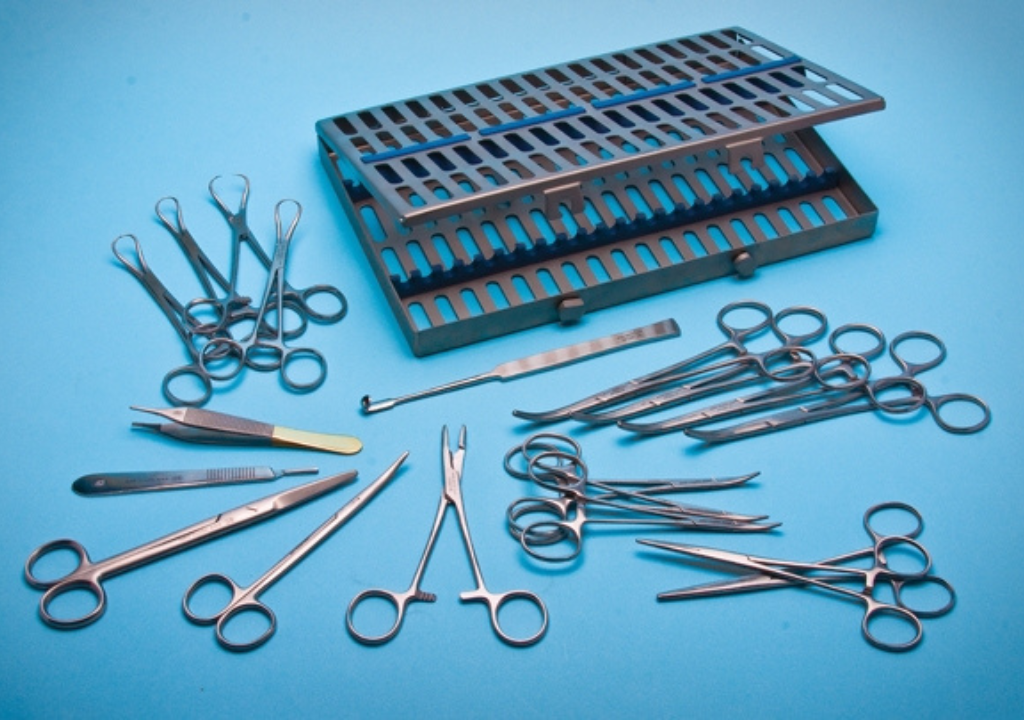
Surgical instruments are the essential tools that surgeons use in the operating room to perform a wide range of medical procedures. These precision instruments have evolved over centuries, from crude tools to highly sophisticated, specialized devices. Understanding the different types of surgical instruments, their functions, and the meticulous care they require is fundamental to ensuring safe and successful surgeries.
General surgical instruments can be broadly categorized based on their function in the surgical process. While there are countless specialized instruments for different surgical disciplines (like neurosurgery, orthopedics, or cardiothoracic surgery), a core set of general instruments forms the basis of almost every operating room’s setup.
The Functions of General Surgical Instruments
1. Cutting and Dissecting Instruments
These instruments are designed to cut through skin, tissue, and suture materials. The most common cutting instruments include:
-
Scalpels: Known colloquially as surgical knives, scalpels are the primary tool for making initial incisions. They typically consist of a handle and a disposable, extremely sharp blade. Different blade shapes and sizes are used depending on the depth and type of incision required.
-
Surgical Scissors: These are distinct from household scissors. They come in various designs, including straight, curved, and angled blades. Examples include Mayo scissors for cutting heavy tissue and Metzenbaum scissors for delicate dissection.
2. Grasping and Holding Instruments
These tools allow surgeons to hold and manipulate tissues, organs, blood vessels, and other materials firmly.
-
Forceps: These resemble tweezers and are used to grip tissue. There are many types, such as thumb forceps (non-locking) and tissue forceps (with teeth) for a more secure grip. Hemostatic forceps, often called clamps, are specifically designed to grasp blood vessels to control bleeding.
-
Needle Holders: Also known as needle drivers, these instruments look similar to hemostatic forceps but have short, broad jaws to firmly hold surgical needles during suturing.
3. Retracting Instruments
Retractors are used to hold back the edges of an incision or wound, providing the surgeon with a clear view of the operating field and access to deeper tissues.
-
Self-retaining Retractors: These feature a locking mechanism that holds them in place without requiring manual assistance.
-
Handheld Retractors: These must be held by an assistant during the procedure. They come in numerous shapes and sizes, from small hooks to large, broad blades.
4. Clamping and Occluding Instruments
These instruments are used to block the flow of fluids, particularly blood, or to compress tissue.
-
Hemostats: As mentioned earlier, these clamps are essential for hemostasis (stopping blood flow) by clamping down on vessels before they are tied off (ligated).
-
Towel Clamps: These are used to secure surgical drapes around the operating site.
The Importance of Material and Care
Most general surgical instruments are made of high-quality stainless steel. This material is chosen for its durability, resistance to corrosion, and ability to withstand repeated sterilization processes. Titanium and tungsten carbide are also used for specialized instruments where additional strength or lighter weight is required.
The maintenance and sterilization of these instruments are critical for patient safety. Instruments must be meticulously cleaned and inspected after every use. The sterilization process, often involving autoclaving (using high-pressure steam), eliminates all microbial life, preventing healthcare-associated infections. Proper care ensures the instruments remain sharp, functional, and safe for years.
In conclusion, general surgical instruments are the bedrock of surgical practice. They are precise, versatile tools that allow surgeons to perform complex procedures safely and effectively. The development, care, and skilled use of these instruments are a testament to the advancements in modern medicine and remain vital to improving patient outcomes.
Roras Road Muzafferpur Sialkot
51310, Punjab, Pakistan